
Understanding the Shift to Embedded SIM Technology
Your ESIM Card Is All You Need For Global Connectivity
When you land in a new country and need immediate connectivity, an eSIM card replaces the need for a physical plastic SIM. It is a small, embedded chip in your phone that stores multiple carrier profiles, allowing you to switch networks digitally. To use it, you simply scan a QR code from a provider to download and activate a cellular plan without waiting for a mailed card. This embedded design lets you maintain your primary number while adding a local data plan for seamless travel or work.
Understanding the Shift to Embedded SIM Technology
Understanding the shift to embedded SIM technology revolves around the physical transition from a removable card to a permanent chip. An eSIM card is soldered onto a device’s motherboard, eliminating the need to insert or swap a physical SIM. This shift fundamentally changes how users activate cellular plans—**managing mobile connectivity** is now done entirely through software, using a QR code or app to download a carrier profile instead of inserting a plastic card. For the user, this means **switching network providers** becomes a digital process, allowing immediate plan changes without waiting for a delivery. The embedded form factor also frees up internal space, enabling slimmer devices and a more durable, water-resistant seal, directly altering the practical relationship between user and network.
What Is a Digital SIM and How It Differs From a Physical Card
A digital SIM, or eSIM, is a programmable chip soldered directly onto a device’s motherboard, functioning identically to a physical SIM card but without any removable plastic. Unlike a physical card that must be manually inserted or swapped, the eSIM is remotely provisioned via a carrier profile download, allowing users to switch operators or add a second line without handling a tangible component. This means no more fumbling with tiny trays or risking damage during insertion. Embedded SIM technology eliminates the need for a physical slot, freeing internal space for other hardware and enhancing device durability against water or dust.
Q: Can I physically remove an eSIM from my phone?
No—the eSIM is embedded in the device’s circuit board; removal requires unsoldering, making it permanent once installed.
Why Mobile Carriers Are Pushing for Built-In Connectivity

Mobile carriers push for built-in connectivity via eSIM because it directly reduces physical SIM logistics, eliminating costs for plastic cards, packaging, and shipping. This shift also locks users into carrier profiles that are harder to swap than a removable SIM, increasing customer retention. By embedding connectivity at the hardware level, carriers can pre-provision devices with optimized network settings, simplifying activation for users who never touch a physical card. This streamlines onboarding for IoT and smart devices, which lack SIM slots, expanding carrier subscriber bases into new markets like wearables and connected cars. Carrier control over provisioning is the core motive, as eSIMs let them manage multiple operator profiles securely without hardware swaps.
Q: Why do carriers favor eSIM over physical SIMs?
A: It slashes hardware costs and strengthens their ability to manage subscriber profiles, making it harder for users to churn.
Setting Up Your First Digital Profile

To set up your first digital profile for an eSIM, start by opening your phone’s mobile network settings and selecting “Add eSIM.” You will scan a QR code from your carrier’s confirmation email or manually enter the activation code provided. After activation, label the new line (e.g., “Travel Data”) to avoid confusion with your primary plan. Once configured, assign this eSIM for cellular data while keeping your physical SIM for calls—a dual‑SIM strategy that keeps home SMS active without roaming fees. For a seamless transition, temporarily disable your home line’s data before leaving to prevent accidental charges. Finally, verify connectivity by toggling airplane mode on and off, then test a webpage to confirm the digital profile is live.
Steps to Activate Without Needing a Plastic Chip
To activate an eSIM without a plastic chip, first ensure your device is unlocked and connected to Wi-Fi. During setup, choose "Download eSIM" or "Add Cellular Plan" in your device settings. You will then scan a QR code provided by your carrier, or enter a manual activation code. After scanning, confirm the plan details and label it (e.g., "Primary" or "Data"). The profile downloads instantly; reboot your device if prompted. This eSIM activation without UK eSIM a SIM card eliminates the need for physical handling, requiring only a stable internet connection for the digital download to complete.
| Method | Key Step | Requirement |
|---|---|---|
| QR Code Scan | Use camera to scan carrier code | Wi-Fi or mobile data |
| Manual Entry | Type SM-DP+ address and code | Carrier-provided details |
| Carrier App | Install app and follow prompts | App permissions |
Scanning a QR Code vs. Manual Installation Methods
When setting up your first digital profile, scanning a QR code delivers instant activation by automatically loading the eSIM profile onto your device. The manual installation method requires you to locate and type long activation codes, SM-DP+ addresses, or confirmation numbers provided by your carrier. This hands-on process eliminates any reliance on a stable camera, making it reliable in poor lighting or with damaged screens. Opting for the QR code offers unmatched speed and simplicity, while manual entry provides a dependable fallback for older phones or when flawless eSIM activation depends on avoiding any scanning errors.
Benefits for Frequent Travelers and Remote Workers
The flick of a switch is all it takes; landing in a new country, my phone pings to life with a local data plan before the wheels even stop. For remote workers like me, the eSIM card in my wristwatch is a silent partner. I don’t scramble for airport SIM vendors or risk my security with public Wi-Fi at a café in Medellín. Instant connectivity means I can join a client’s emergency call from a train in the Swiss Alps, my video stable and my local number still reachable. The ability to store five or more plans and switch with a tap keeps my workflow seamless—no dead zones, no roaming fees, just a reliable, portable office that follows me across borders without a physical card swap.
Switching Networks Abroad Without Swapping Hardware
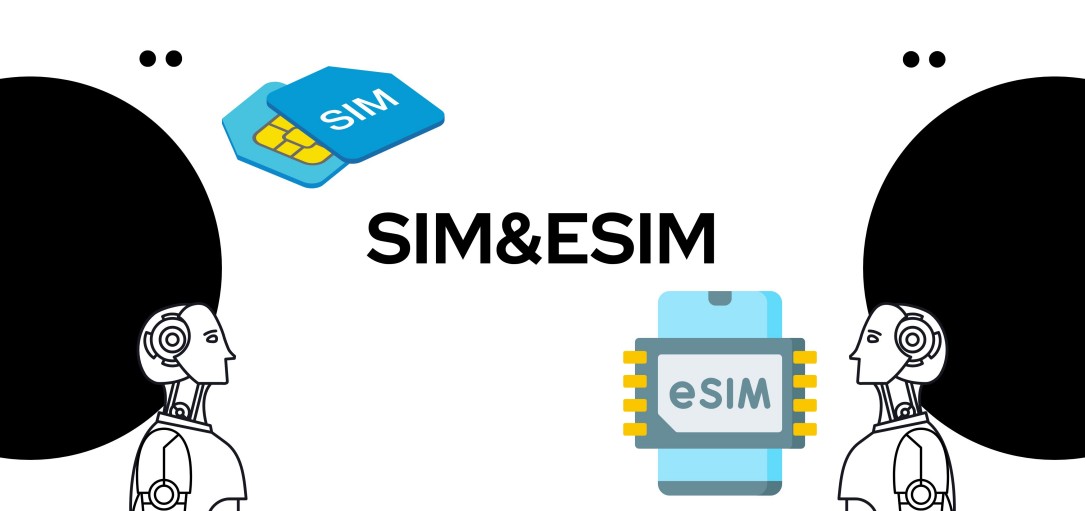
With an eSIM, you switch networks abroad without swapping hardware by remotely activating a new carrier profile on your existing device. Instead of hunting for a physical SIM vendor, you purchase and install a local data plan via a provider's app or QR code, often within minutes of landing. This allows you to togggle between your home carrier for calls and a foreign eSIM for high-speed data, maintaining separate numbers without removing or inserting any physical card.
Switching networks abroad without swapping hardware enables instant, hardware-free carrier selection directly from your device's settings.
Managing Multiple Number Plans on a Single Device
Managing multiple number plans on a single device allows you to store several eSIM profiles simultaneously. You can keep your primary home number active while adding a local data plan for a trip, switching between profiles via your device settings. This eliminates swapping physical SIM cards or carrying a second phone. For a remote worker, this enables a dedicated business line alongside a personal plan, all on one handset. Profiles can be labeled and toggled on or off as needed, providing flexible connectivity without hardware changes.
| Profile Type | Example Use Case |
|---|---|
| Home Number (Primary) | Always active for personal calls |
| Local Data Plan | Temporary travel use, then disabled |
| Business Line | Separate work number for clients |
Compatibility Across Devices and Operating Systems
Using an eSIM means your device must have built-in support, which isn’t universal—check the specs before buying. Most recent smartphones from Google, Samsung, and Apple include eSIM capabilities, but many budget models, older devices, and some regions still lack it. On the operating system side, iOS and Android handle eSIM setup smoothly, typically through a QR code or carrier app, though Android’s implementation can vary more across manufacturers. Windows and macOS support eSIM too, but often only for cellular data on laptops, not calls or texts. Always verify your exact phone model number and OS version, because carrier compatibility and dual-SIM modes (eSIM + physical SIM) aren't guaranteed across all devices.
Which Smartphones and Tablets Support This Feature
Determining which smartphones and tablets support this feature requires checking the manufacturer's eSIM compatibility list. For iPhones, the iPhone XR and later models, including all iPhone 15 series devices, offer eSIM support, though some region-specific variants may lack it. Samsung Galaxy flagships from the S20 series onward, including the Z Fold and Z Flip lines, typically include eSIM functionality, but carrier locking can disable it. Google Pixel phones from the Pixel 3 onwards, excluding the Pixel 3a, support eSIM, while iPads from the 3rd generation iPad Pro and later, along with the 7th generation iPad and newer, are eSIM-compatible devices. Windows tablets like the Surface Pro 7+ and Surface Lte models also include eSIM capabilities. Always verify with your specific device's system settings or manufacturer page to confirm active support.
Checking if Your Current Model Can Handle a Virtual Line
Before purchasing an eSIM, you must verify your device’s eSIM compatibility by checking its official specifications. Navigate to your phone’s settings menu—typically under “About Phone” or “Cellular”—and look for an “Add eSIM” or “Add Cellular Plan” option. If absent, the handset likely lacks the necessary hardware chip. For iPhones, models from XS/XR onward support eSIM; for Android, Pixel 3a and later, Samsung Galaxy S20 and later, and select newer mid-range devices are equipped. Always confirm through the manufacturer’s support page rather than assuming based on model name alone.
Checking if your current model can handle a virtual line requires confirming the presence of an eSIM chip via device settings or manufacturer specifications.
Major Providers Offering Instant Activation Services
The major providers offering instant activation services for an eSIM card eliminate physical shipping delays entirely. Airalo and Holafly lead with immediate QR-code delivery upon purchase, allowing you to connect to local networks in under a minute. Providers like eSIM.net support real-time multi-carrier switching, letting you re-activate a different network profile without contacting support. For global travelers, Nomad and Ubigi deliver pre-loaded data plans within seconds, with no physical SIM swap required. These services prioritize speed: you select a plan, pay, and scan the code on your phone screen—the network activates instantly. This makes them essential for last-minute trips or urgent connectivity needs, as you bypass roaming bottlenecks entirely.
Global Brands vs. Regional Specialists in Virtual SIMs
Global virtual SIM brands like Airalo or Holafly offer one-click eSIM activation with universal roaming packages covering dozens of countries, ideal for frequent multi-destination travelers. Conversely, regional specialists (e.g., Jetpac for Asia) deliver localized plans with superior data speeds from single-network partnerships, often at lower per-GB costs within their focus region. For a trip to Japan, a global brand provides instant connectivity but may route data through international hubs, increasing latency. A regional specialist activates you on a native carrier like NTT Docomo, ensuring stable city and rural coverage.
Q: Which is better for a single-country trip: global or regional?
A regional specialist typically wins, offering faster local activation with a cheaper, high-performance plan.
Comparing Prepaid and Postpaid Virtual Plans
When comparing prepaid and postpaid virtual plans for eSIM activation, prepaid offers immediate, full payment for a fixed data allowance, ideal for short-term travelers requiring no credit check. Postpaid plans, conversely, require initial verification and billing details, often providing unlimited data throttled after a threshold, with monthly invoices. The primary distinction is upfront cost versus billing flexibility: prepaid avoids overage fees but lacks postpaid’s scalability. To decide, follow this sequence:
- Assess your duration (short-term favors prepaid; long-term may suit postpaid).
- Verify eSIM device compatibility with the provider’s activation portal.
- Compare data speed caps and throttling policies, as postpaid plans may deprioritize traffic after a usage limit.
Security and Privacy Considerations
You unlock your new phone in a bustling foreign airport, and the eSIM card profile downloads instantly. The convenience is real, but so is the risk: unlike a physical SIM, your mobile identity exists as software on a chip, making it a target for remote hacks. If a phishing scam tricks you into scanning a malicious QR code, an attacker could clone your profile, listen to your encrypted calls, or drain your bank 2FA codes without ever touching your device. Always verify that your eSIM activation comes from the carrier's own secure portal, not a third-party link. Also, keep your phone's root security locked tight—if malware gains system-level access, it can read the eSIM's embedded credentials as plain data. Your privacy hinges on that single, invisible profile stored in the phone's tamper-resistant hardware.
How Remote Provisioning Protects Your Data
Remote provisioning keeps your data safer by letting you activate a telecom profile without ever physically handling a SIM card. Since the profile is encrypted and downloaded directly to your device’s secure element, there’s no risk of a rogue store clerk copying your old SIM or a lost card being used to clone your identity. You can also instantly erase a profile if your phone is stolen, cutting off any access to your service. Plus, because you control which carrier’s profile is active, you avoid leaking your personal number to unknown networks while traveling.
Locking and Erasing Profiles if Your Device Is Lost
If your phone goes missing, you can lock your eSIM profile remotely through your carrier’s app or web portal. This instantly blocks mobile data and calls. If recovery seems impossible, remotely erasing the eSIM profile prevents anyone from reusing your number. The process is straightforward:

- Log into your carrier’s account on another device.
- Select the lost device’s eSIM for lockdown or deletion.
- Confirm the action, making the profile irreversibly inactive.

Troubleshooting Common Connectivity Issues
When troubleshooting common connectivity issues with an eSIM, first ensure your device’s APN settings match those provided by your carrier, as mismatched data profiles often prevent internet access. If activation fails, verify that your eSIM profile is correctly installed in the device’s settings menu; deleting and re-downloading the profile from your carrier’s app can resolve authentication errors. For intermittent signal loss toggling airplane mode on and off forces a fresh network registration. If no service persists after roaming, confirm the eSIM’s data roaming toggle is enabled and that your plan includes coverage in the current region. Restarting the device after any profile change is a reliable step to apply updates correctly.
Fixing Activation Errors After a Profile Transfer
After transferring an eSIM profile, activation errors often stem from incomplete carrier data or network mismatches. First, manually restart your device to force a fresh network registration. If the error persists, remove and re-add the eSIM using the original QR code or activation code. Ensure your device's carrier settings are updated under eSIM profile reinstallation. A temporary network outage can also block activation, even if the profile appears correctly installed.
- Verify the eSIM profile is assigned to the correct line in your cellular settings.
- Disable then re-enable mobile data to trigger a new connection handshake.
- Contact your carrier to confirm the transfer was fully processed on their backend.
Resolving Network Drops When Using Dual SIM Modes
Resolving network drops in dual SIM modes, particularly with an eSIM, requires prioritizing signal stability. If drops occur, first ensure both lines are on the same carrier’s network, as conflicting bands cause interference. Next, configure primary data line to the stronger signal, typically the eSIM. Follow this sequence:
- Disable one SIM to isolate the problematic line.
- Manually select network operators on the remaining SIM via settings.
- If drops persist, toggle the dual SIM mode to "use primary for data only" and reassign voice calls to the secondary line.
This prevents simultaneous handovers between networks, which often trigger dropouts.
Future Trends in Carrier-Independent Solutions
Expect carrier-independent eSIM solutions to evolve into smarter, automated travel companions. The main trend is the rise of dynamic, context-aware eSIM profiles that switch providers based on real-time network conditions. Instead of manually buying data packs, your device might autonomously negotiate the cheapest or fastest local carrier as you cross a border. This could extend to app-specific
where a streaming service triggers a temporary high-bandwidth eSIM, while a messaging app stays on a low-cost data plane.
Look for "eSIM aggregator" wallets that hold multiple inactive profiles, letting you flip between a home plan and a regional travel eSIM with a single tap, no physical swap needed.
The Rise of eSIM-Only Plans and Paperless Subscriptions
eSIM-only plans are ushering in a truly paperless subscription model, where you activate a carrier profile directly from a retailer's app without ever touching a physical SIM card or signing a contract. This eliminates the need for waiting for mail delivery or searching for a tiny card to insert. The entire process, from purchasing data to topping up, happens digitally, often within minutes. This shift empowers you to seamlessly hop between providers for travel or better rates, making instant eSIM activation the new standard for connectivity—pure, immediate, and clutter-free.
How IoT and Smart Wearables Are Driving Adoption

With your smartwatch or fitness tracker, switching devices is suddenly painless thanks to eSIMs. These tiny chips let you activate a cellular plan directly on a wearable, bypassing a physical SIM entirely. For IoT gear like smart locks or pet trackers, this means seamless remote provisioning—you can add a data plan from an app without swapping cards. The adoption process is straightforward:
- Your wearable downloads a carrier profile over Wi-Fi or Bluetooth.
- It activates the eSIM, connecting your watch or IoT device to its own line.
- You manage everything from your phone, keeping your main number separate.
This simplicity removes the hassle of tiny SIM trays, making wearables truly independent gadgets you actually want to use daily.